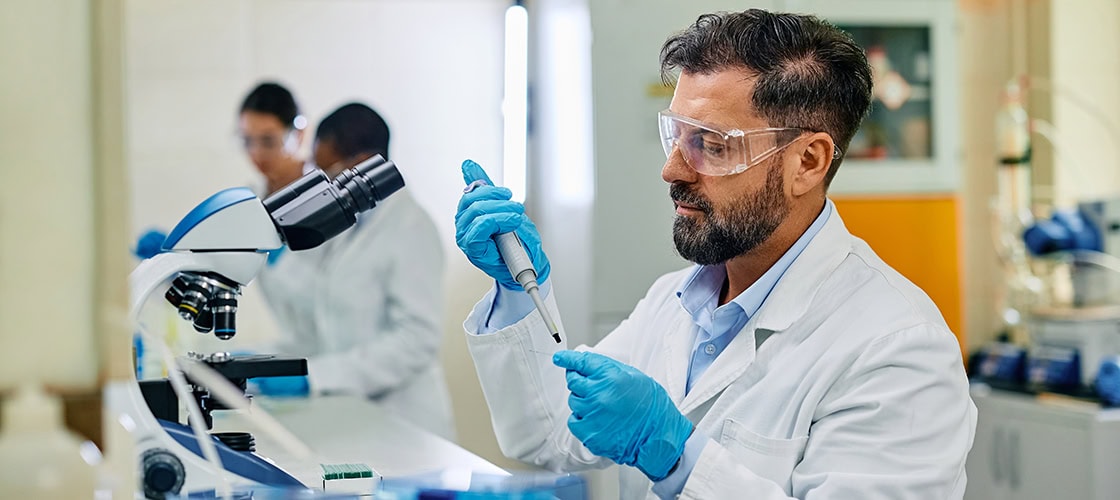
Laboratory information management systems, or LIMS, are used across regulated industries to record results, certify analyses, and track batches from production onwards. This kind of software has been around for decades, but it’s a sector dominated almost entirely by US providers. Having led quality control teams in labs at Eurofins and AbbVie, Rekha Jonnala decided to bring an Irish competitor into this cautious market.
After finishing her PhD in Food Science from University College Cork, Rekha decided to move away from food and into pharma, curious to see how an even more tightly regulated industry worked. She landed her first job at Eurofins, the global life sciences laboratories group, as a Scientific Analyst, and was promoted to team leader within a year.

Rekha Jonnala
Working her way up the career ladder in the quality control department, Rekha started noticing the gaps that would eventually become PRIJYM. She decided to design an application that would plug these inefficiencies, leaving her job at AbbVie to become a first-time founder in 2025.
As entrepreneurship was a brand-new area for her, Rekha started researching the funding options available and best paths to startup. “I didn’t have any previous experience, but I knew I could develop the right solution given my background. I took a Start Your Own Business (SYOB) course with the Local Enterprise Office, and that gave me so much confidence. It was actually my instructor there who suggested I apply to New Frontiers.”
On Phase 2 of New Frontiers, Rekha learnt more about the entrepreneurial aspects of running a startup, like financial management, budgeting, and sales. She balanced the development of the business with learning the founder skills she would need. “I learned so much. I wouldn’t say that I know everything about running a startup, but I know how to navigate this journey now and what the pitfalls are.” She successfully completed both Phase 2 and Phase 3 of the programme in Cork.
Rekha estimates that up to 80% of companies in the pharma and food sectors still run separate systems for separate jobs in the lab – inventory, instruments, documentation, quality management, electronic lab notebooks, etc. It’s expensive, and none of these systems talk to each other. That fragmentation means duplicated work, a higher risk of human error, more downtime, and lost productivity.
PRIJYM consolidates these different areas into a single application. “We streamline the whole workflow of a lab, all those areas they currently have separate systems for. Everything can be managed within one place, and this should result in a 50% reduction in downtime and a 50% reduction in documentation time. This will be a huge win for labs, as their productivity will double,” she says.
Version 1 of the app, launched in March 2026, covers three modules: batch management, instrument management, and inventory management. Quality management, electronic lab notebooks, and document management are being built for Version 2, due by the end of the year, which will bring the full lab workflow under one roof.
With Version 1 live, Rekha has been speaking to prospective customers in food testing, contract testing, and agronomic testing labs – sectors she sees as natural adjacent markets to the ones the company already serves, given how easily the platform could extend into areas like soil and cosmetics testing. The plan is to use pilot feedback to shape the product before a fuller rollout.
Rekha’s biggest challenge to date has been sales, especially because this is a sector that doesn’t take risks unnecessarily and the company is still a relative unknown. “I didn’t think that sales could be this tough, but it is! I learnt that you can’t just go in and sell; when I meet with people for the first time, it’s all about listening to their pain points, not about explaining what I’ve built. When I understand their pain points, I can show them how the application could help. You can’t force people to buy; just take it one step at a time.”
There are currently four people on the PRIJYM team. Rekha handles everything outside of development, like sales, marketing, and budgeting, while remaining closely involved in product decisions. Three developers round out the technical team – covering backend and frontend development. The company also collaborates with Nimbus Research Centre, which specialises in digital innovation and transformation.
Rekha moved quickly from her first research of the startup ecosystem to the launch of her MVP. “It felt like a smooth curve, with just the right amount of velocity. I planned ahead and took very careful steps. A lot of people told me it would be really hard to launch a technical product within months. But because of the technical team, it all fell into place.”
The company is starting pilots with three companies, after which Rekha plans to apply for Enterprise Ireland’s Pre-Seed Start Fund (PSSF) and then potentially follow that with angel funding. Hiring a sales representative with a track record and established relationships in the sector will help PRIJYM establish itself in her three initial markets: Ireland, the UK, and the rest of Europe.
Rekha completed Phases 2 and 3 of New Frontiers in Cork, where our Programme Manager is Aoife McInerney. Learn more about her company at prijym.ie.
About the author
 Scarlet Bierman
 Scarlet Bierman
Scarlet Bierman is a content consultant, commissioned by Enterprise Ireland to fulfil the role of Editor of the New Frontiers website. She is an expert in designing and executing ethical marketing strategies and passionate about helping businesses to develop a quality online presence.
Recent articles
Rekha Jonnala’s Startup, PRIJYM, Is Transforming Lab Ops With A Unified Compliance Platform

Corina Popov Is Making Tax Digital For Sole Traders Across The EU
Eight Startup Founders Graduate From Phase 2 Of New Frontiers At TU Dublin
10 Ambitious Founders Celebrated At The New Frontiers Waterford Showcase Event
Cork Showcase Event Celebrates The Achievements Of The Latest Phase 2 Cohort

Shane Doherty On Leaving Life Insurance To Build A Hotel Revenue Management System
A Cohort Of Ambitious Entrepreneurs Graduates From New Frontiers In The Midwest




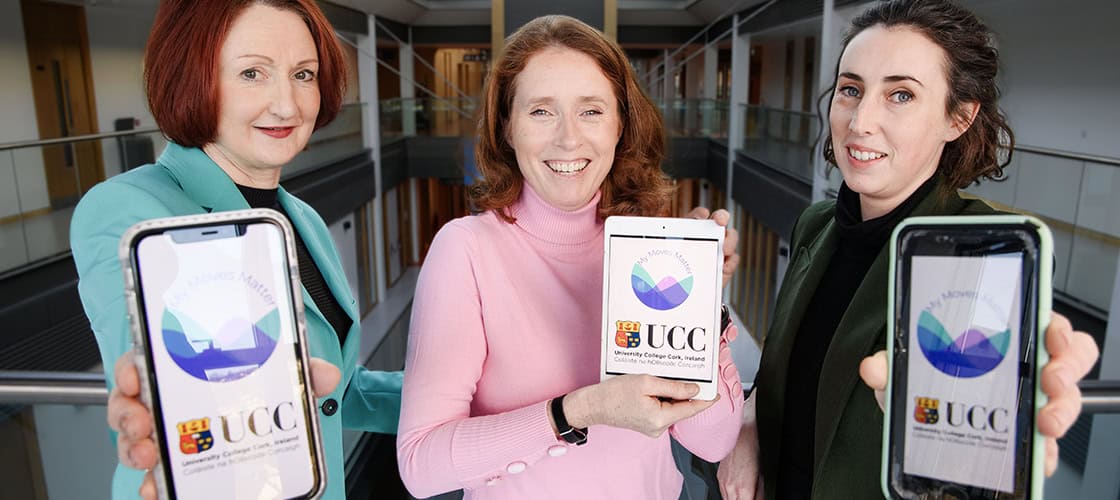
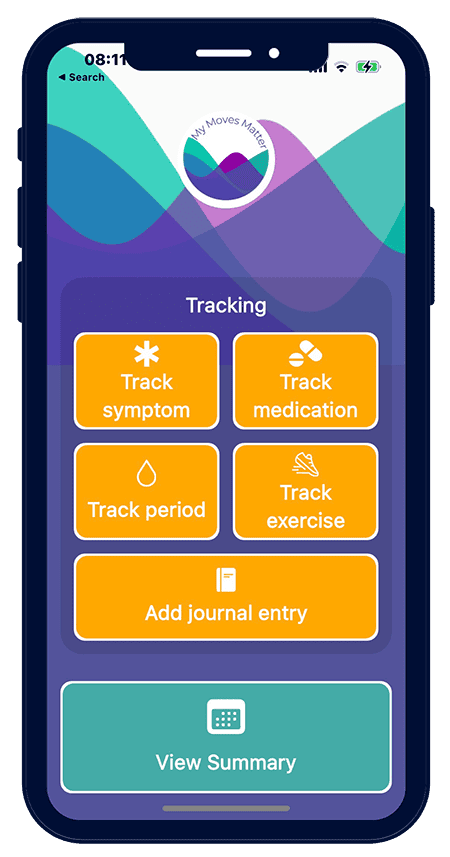 The My Moves Matter app was launched last July. It’s free for anyone with Parkinson’s and available for Apple or Android, with currently 1,100 users. It helps people track their diet, medication times, exercise, sleep, and hormonal fluctuations – all of which affect how well someone can live with Parkinson’s Disease. In addition, the app supports the input of clinical trial IDs, which means it is helping to fill that critical research gap. Right now, My Moves Matter is working with the University of Cork on a global pilot study (where women at different hormonal life stages track their PD symptoms over four months) and with France Parkinson’s (a trial in four neurological centres for French women tracking their symptoms across the menstrual cycle).


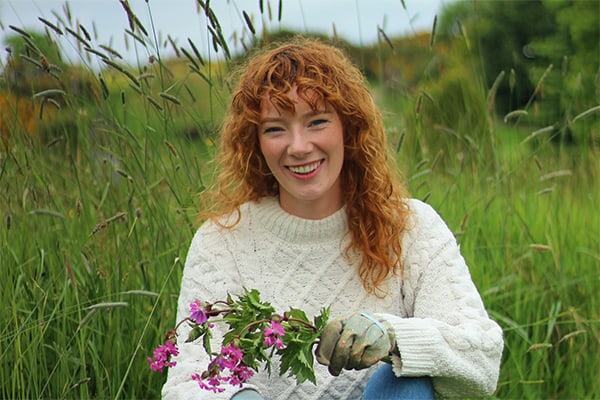 Alexandria: Yes, it started off as a personal project back in 2021. As I shared my gardening passion and other experiences on my blog, a community began to build around it. I was enrolled at SETU – Carlow Campus, studying for my BSc in Business with Marketing at the time. During a period of poor mental health, I was given a set of aromatherapy essential oils. The impact the products had on me was profound, and I started to experiment with the different fragrances and applications like candles. People I knew started asking me to make them, and before I knew it, I was developing a product range. It wasn’t planned as such, it all just happened quite organically.
 Alexandria: Absolutely. My family home, Turra Lodge Farm, has a beautiful garden which my Mum and Nana designed and planted when I was younger. It is a cornerstone of my mental health. Luckily, my family has indulged my passion, or obsession, with gardening for years now and given me lots of creative freedom to develop different parts of it. That’s what my blog initially revolved around.
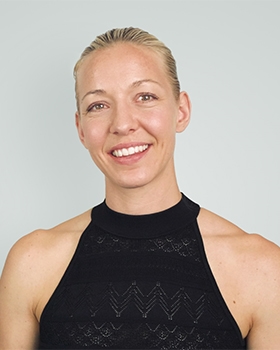 Heidi Davis: There are 440 million women going through the menopausal transition worldwide and 330 million of these women will experience symptoms that are negatively affecting their lives at work and at home. We know that about 60% of women that suffer from their symptoms will seek medical help, but only 30% of these women will get a diagnosis and treatment plan, leaving 70% of the women wanting help to suffer. The simple reason women do not get a diagnosis and treatment plan easily is that there are no clear diagnostic tests to establish perimenopause. Clinicians rely on self-reported symptoms on the frequency and severity of symptoms to establish perimenopause and prescribe treatment. We are developing a first-of-its-kind wearable biosensor and digital platform that can passively quantify & profile the frequency and severity of menopausal symptoms, providing women and clinicians with the necessary information to diagnose & personalise symptom management.
 Grainne Byrne: Norma is a psychosexual wellbeing platform and app. Our first product is a digital support programme for two very common conditions that impact sexual wellbeing, vaginismus and dyspareunia, which can affect approximately 1 in 5 in women.* These conditions can cause pain, anxiety, and difficulties with things like penetrative sex, inserting menstrual products, or undergoing a smear test. Our dynamic programme empowers these people with the knowledge and the tools to understand, manage and overcome these conditions at home today. Thankfully, in recent years, there has been a surge of much-needed, user-centric innovations in areas like cycle tracking, fertility, and menopause. At Norma, we are definitely excited to be riding the crest of this long-overdue femtech wave.
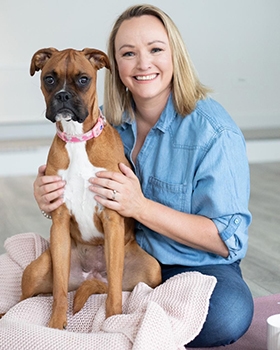 Deborah Brock: Nua Fertility is revolutionising the field of reproductive health by harnessing the power of the microbiome to enhance and optimise fertility outcomes. We combine personal experience, scientific research, and innovative products and digital solutions to optimise the microbiome for fertility success. The idea behind Nua Fertility is one whose time has come as the area of the microbiome for reproductive health is one of the most innovative and growing areas in fertility health. There is a rising awareness of the significant role that the microbiome plays in reproductive health, and scientific advancements have highlighted its impact on various aspects of fertility.
 Alison Clarke: Every day, women experiencing fertility problems walk out of their career, resulting in depleted talent pools and costing employers tens of thousands. Fembition is a pioneering women’s fertility and leadership platform for progressive employers who want to retain their top female talent, close the gender gap and build a more inclusive culture at work. Essentially, we provide analytics, networking and peer support for women in business who are experiencing a challenging fertility journey. One of the biggest challenges for many women is managing their career whilst they’re trying to conceive. We work with these women through our platform and provide resources, workshops, and live support.










 Nicola McDonnell
 Rachel Hanna
 Siobhan Berry
 Gail Condon